

Our Purpose.
We are on a mission to rescue seeds, and grow communities while tackling food scarcity for underfunded populations.
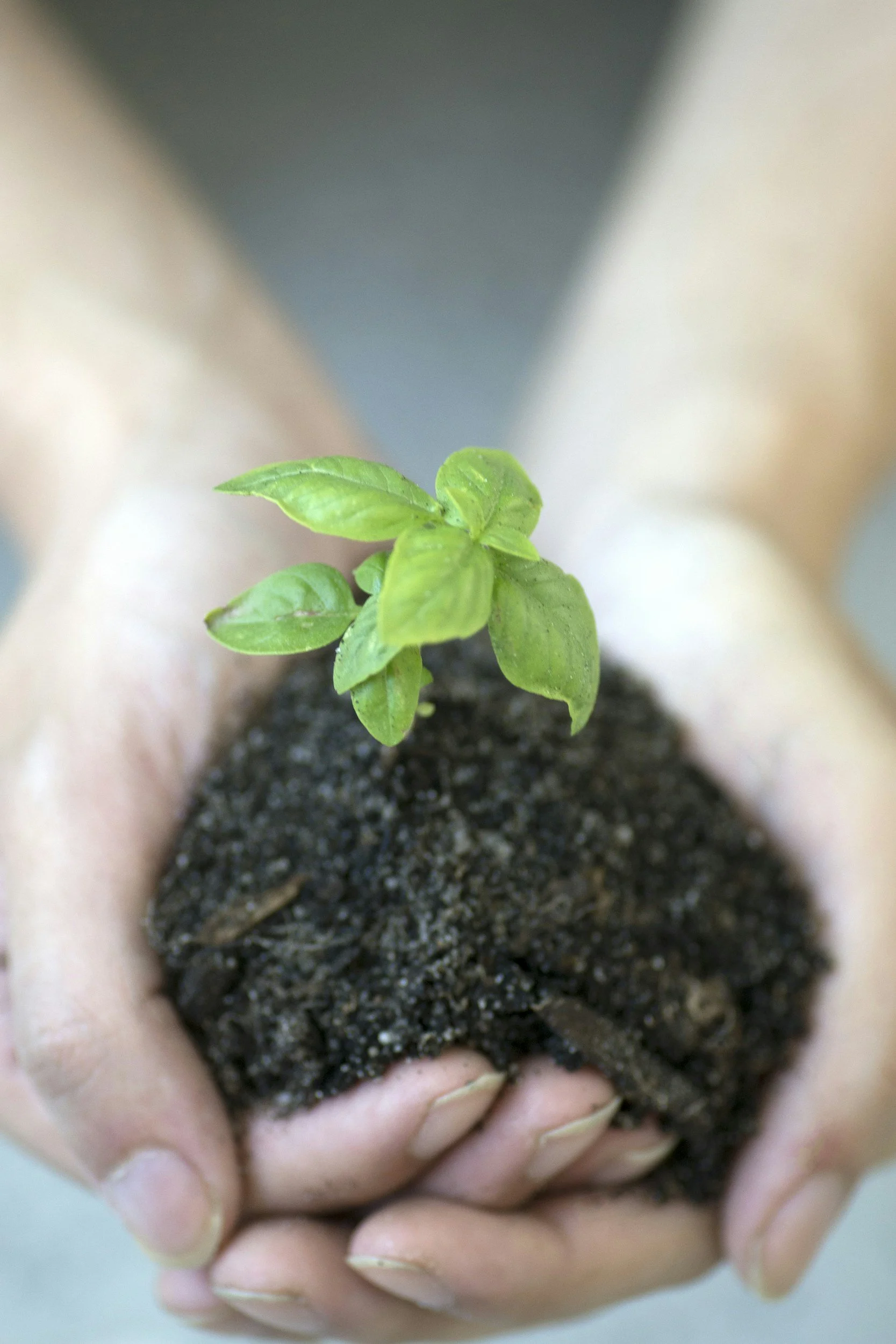
Join us to:
Empower communities and support local food projects across Canada to fight for food security and sustainability by rescuing and donating garden seeds.
Seeing is believing…
Cultivating the future to advance agriculture, floristry, forestry, horticulture, and landscaping that allows for cultural awareness, economic development, environmental stewardship, educational opportunities and farming innovation through partnerships.
What do we value?
Fostering community, strength and resilience.
Staying rooted in accountability and grounded in authenticity.
Let creativity and adaptability flourish while respecting everyone and the environment.
Continuously growing partnerships and collaboration to engage with schools, retirement homes, horticultural societies, master gardeners, farmers, and other like minded affiliates.
Our Story.
The organization was formally incorporated as a non-profit company on February 13, 2026. Its origins trace back to 2023 through community-driven seed material resource recovery and redistribution efforts in the Peterborough and Kawartha Lakes region.
The initiative began informally at a resort in the Trent–Severn Waterway’s, where early conversations between Amanda and Chef Charles explored the intersection of food cost pressures, supply chain instability, and local growing capacity. At the time, Chef Charles was serving as Chair of the Steering Committee for the Kawartha Local Food Wholesale Project (later evolving into the Kawartha Region Local Food Wholesale Project). Ongoing dialogue about food affordability, procurement challenges, and sustainability within institutional kitchens pioneered the strategy of returning viable seeds for community use.
2023
In the fall of 2023, Amanda began rescuing end-of-season garden seeds. These seeds were redistributed throughout the Greater Toronto Area, Peterborough, and the Kawartha Lakes to individuals and community-based locations including libraries, small businesses, service providers, and other networks.
A significant volume of seeds were donated to Fenelon Falls Secondary School to support growing initiatives for the Green Industries curriculum in the student-led greenhouse.
This initial year functioned as a pilot phase, demonstrating that the approach works, which allowed for further development and scaling of the concept.
2024
The initiative transitioned from casual allocation toward strategic development. Amanda engaged in discussions with industry contacts and connected with Burpee Canada to explore structured support for a non-profit seed rescue model.
In the summer of 2024, approval to proceed with a non-profit development was granted through Burpee’s head office.
During this period, rescuing seeds expanded. Unlike the previous year, a greater portion of seeds were retained for future, structured allotment rather than immediate donation. Continued support was provided to Fenelon Falls Secondary School, including seeds and seed starter kits.
Chef Charles contributed infrastructure improvements to the school’s greenhouse with the donation of LED growing lights and coordination of irrigation system repairs. As community collaboration deepened, these efforts strengthened the educational and food production capacity of the site.
2025
The seed collection volume increased significantly as additional retail locations were authorized for end-of-season visits. In December 2025, Emily and Jennifer joined the initiative, contributing governance development, operational structure, and strategic planning support.
Partnership discussions were initiated with Community Gardens and Horticultural Societies. Along with the United Way regarding potential collaboration opportunities and the exploration of shared growing spaces. Early-stage conversations reflected these organizations’ interest in regional partnerships and long-term infrastructure planning.
By the end of year, the initiative had moved from informal volunteer efforts to a more structured, multi-person leadership style with defined community objectives.
2026
On February 13, 2026, the organization was formally incorporated as a non-profit entity.
In the first quarter, a ton of networking took place to gain momentum in building relationships. We were able to connect with the local farmer’s market, indigenous communities, various city departments and a couple contacts through Chef Charles.
Recognizing the growing scope of operations, seeds from 2024 and 2025 have been carefully counted and stored, enabling the organization to plan for scaled redistribution.
Currently, we are preparing informational seed kits. This marks the first coordinated program rollout. To-date, the garden seeds collected provide immediate program capacity while longer-term material resource recovery and circulation systems are being established.